
Warmer floors in winter
Insulation between the joists stops cold air from the subfloor rising through the floorboards, making rooms feel warmer at floor level. This is especially noticeable in living areas and bedrooms above a ventilated subfloor.
Hillside
Underfloor insulation installed under suspended timber floors in Hillside stops cold air rising through floorboards and cuts winter heat loss. Expert Insulation Melbourne fits batts or reflective foil between joists in the subfloor to warm your home and lower heating costs.
Share your details and Expert Insulation Melbourne will contact you about Underfloor Insulation in Hillside.
Hillside homes with suspended timber floors often suffer from cold floors and draughts rising through gaps in the floorboards. Underfloor insulation is fitted between the floor joists in the subfloor to block cold air and reduce heat loss. It is a practical upgrade for older brick veneer and weatherboard houses common in this area, where the crawl space allows access for installation.
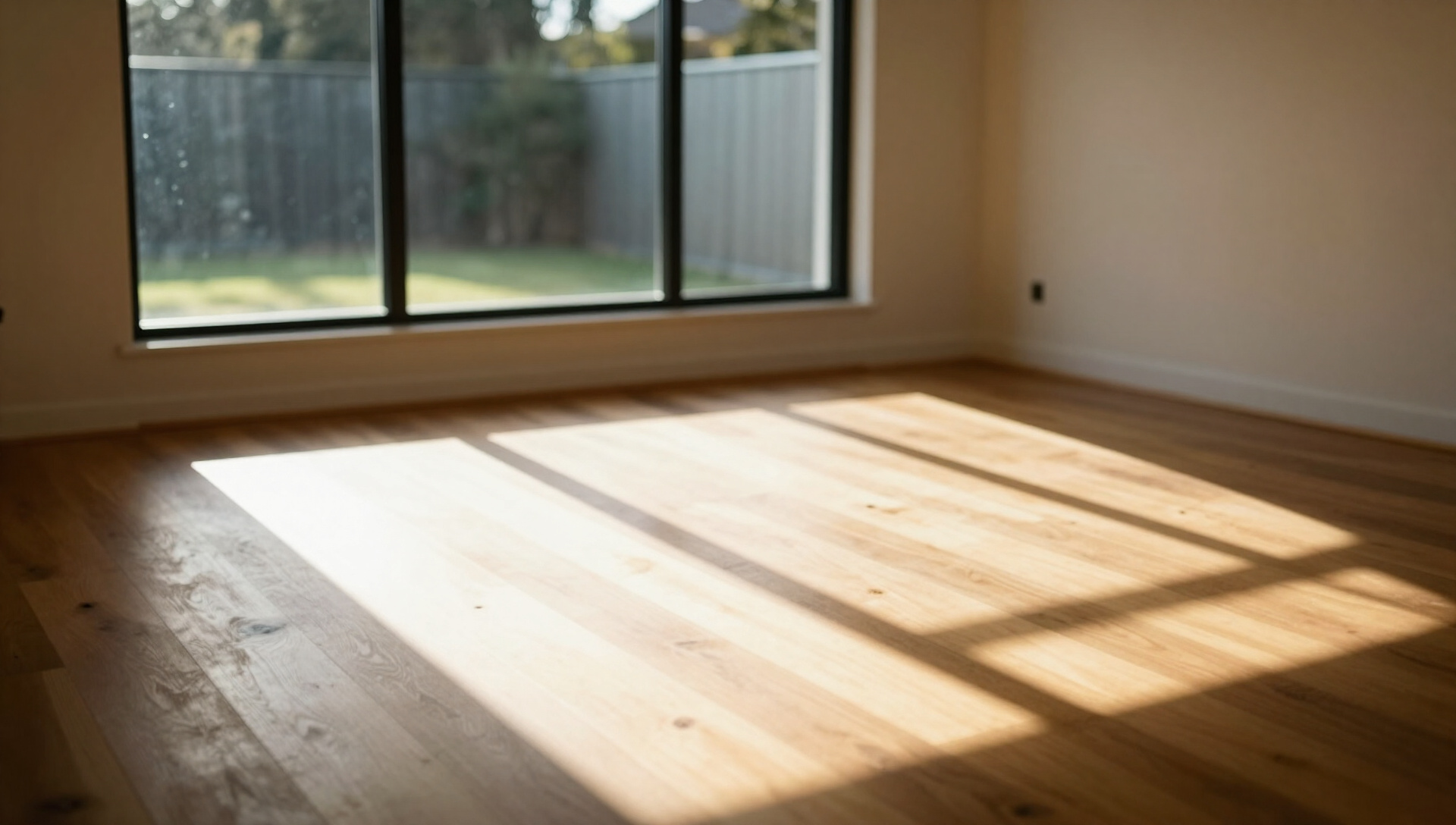
Melbourne’s cold winters make uninsulated floors a major source of discomfort and high heating bills. Underfloor insulation in Hillside addresses the specific issues of suspended floors in older homes, delivering measurable improvements in warmth and efficiency.
Insulation between the joists stops cold air from the subfloor rising through the floorboards, making rooms feel warmer at floor level. This is especially noticeable in living areas and bedrooms above a ventilated subfloor.
By cutting heat loss through the floor, your heater runs less often to maintain a comfortable temperature. Over a winter, this can lead to noticeable savings on energy bills in Hillside homes.
Gaps between floorboards and around skirting boards let cold air in. Underfloor insulation combined with sealing gaps around the perimeter improves overall draught proofing.
Even heat distribution means no more cold spots near external walls or windows. The whole floor area retains heat better, making the home more comfortable throughout.
Properly installed underfloor insulation with a vapour barrier helps manage moisture in the subfloor, reducing the risk of condensation and mould under the house.
Quality bulk insulation like glasswool or polyester batts maintains its thickness and R-value over time, providing lasting thermal resistance under the floor.
Installing underfloor insulation requires access to the subfloor, which is typically gained through a crawl space or by lifting sections of flooring. The process is straightforward but must account for the condition of the subfloor and the type of insulation chosen.
The first step is to check the subfloor for adequate crawl space, moisture issues and any existing insulation. Access points are identified, and the area is prepared for safe installation.
Insulation batts are measured to fit snugly between the floor joists without compressing. Reflective foil is cut to size if used, with an air gap maintained for effectiveness.
Batts are friction-fitted between the joists, or foil is stapled to the underside of the floor. All gaps are covered, and the insulation is secured to prevent sagging or movement.
Gaps around the perimeter and between batts are sealed to stop air leakage. The subfloor is left clean, and access points are restored. The job is typically completed in a day for an average Hillside home.
Hillside in Melbourne’s north-west has many 1970s to 1990s brick veneer homes with suspended timber floors, which are ideal candidates for underfloor insulation. The suburb’s exposure to cold winter winds and chilly mornings means uninsulated floors contribute to higher heating demand. Installing insulation under the floor in these homes delivers immediate comfort improvements and long-term energy savings.
Stop cold floors and draughts in Hillside with underfloor insulation installed between joists in the subfloor.
Homeowners in Hillside often have questions about how underfloor insulation works, what it costs and whether it is worth the investment. Here are the most common queries answered.
Expert Insulation Melbourne installs underfloor insulation in Hillside to address cold floors and draughts in homes with suspended timber flooring. The service involves fitting bulk insulation batts or reflective foil between the floor joists in the subfloor, blocking cold air from rising through the floorboards. This is particularly effective in Hillside’s older brick veneer and weatherboard houses, where the crawl space allows easy access for installation.
Underfloor insulation in Hillside improves thermal comfort by reducing heat loss through the floor, which can account for a significant portion of a home’s winter heating costs. By stopping cold air infiltration, the insulation helps maintain a more even temperature at floor level, making living spaces warmer and reducing the need for constant heating. The typical R-value range for underfloor applications is R1.5 to R2.5, depending on the product and the depth of the joists.
The installation process begins with a subfloor inspection to check for moisture, existing insulation and access points. Insulation batts are then measured and cut to fit snugly between the joists, ensuring no gaps or compression that could reduce performance. Reflective foil can also be used, provided an air gap is maintained. The job is usually completed in a day, with minimal disruption to the home. For Hillside residents, this upgrade is a cost-effective way to improve comfort and energy efficiency.
If your Hillside home has cold floors and draughts, underfloor insulation can make a real difference. Call Expert Insulation Melbourne on 0399695249 to discuss your options and arrange a quote.